The three-digit code (001–365) on egg cartons marks the day of the year they were packed, while “P” numbers identify the processing plant and dates like “Sell By” or “Best By” indicate inventory timing and peak quality rather than definitive safety. Because bacteria like *Salmonella* cannot be detected by sight, smell, or even the floating test—which only reflects an egg’s age—safely managing eggs relies on keeping them in their carton at 40°F (4°C) or below for three to five weeks, avoiding cracked shells, cooking until yolks and whites are firm, and discarding any improperly stored or compromised eggs.

Related Posts

If your watermelon has these warning signs, it’s best to toss it
Watermelon is one of the most refreshing fruits you can enjoy, especially on a hot day. Its sweet flavor and high water content make it a favorite,…

Doctors Reveal: Drinking Coconut Water May Cause…
Coconut water is often seen as the perfect symbol of natural health—fresh, tropical, and packed with nutrients. It’s associated with beaches, sunshine, and wellness, making it easy…

What Dirty Fingernails Really Reveal
We are taught to read hands like verdicts, as if a clean manicure proves virtue and a stained nail bed exposes failure. But some hands are worn…

What exactly is the white part of an egg?
That little white string has a name: chalaza. It isn’t a defect or a danger sign, but the egg’s built‑in seatbelt. Two twisted cords of protein anchor…
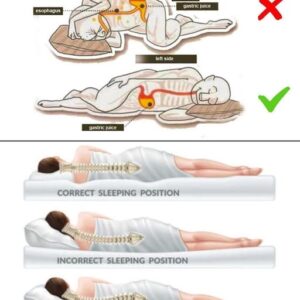
Why Sleeping on Your Right Side Every Night Could Be Sabotaging Your Best Rest
Many of us drift off to sleep curled comfortably on our right side, only to wake up feeling groggy, bloated, or with an uncomfortable tightness in the…

JAMAICAN FLOWER JELLY WITH CINNAMON AND CLOVES
Hibiscus flower jelly with cinnamon and cloves is a dessert that transcends mere culinary pleasure, becoming a sensory experience and a health benefit. This preparation, rooted in…